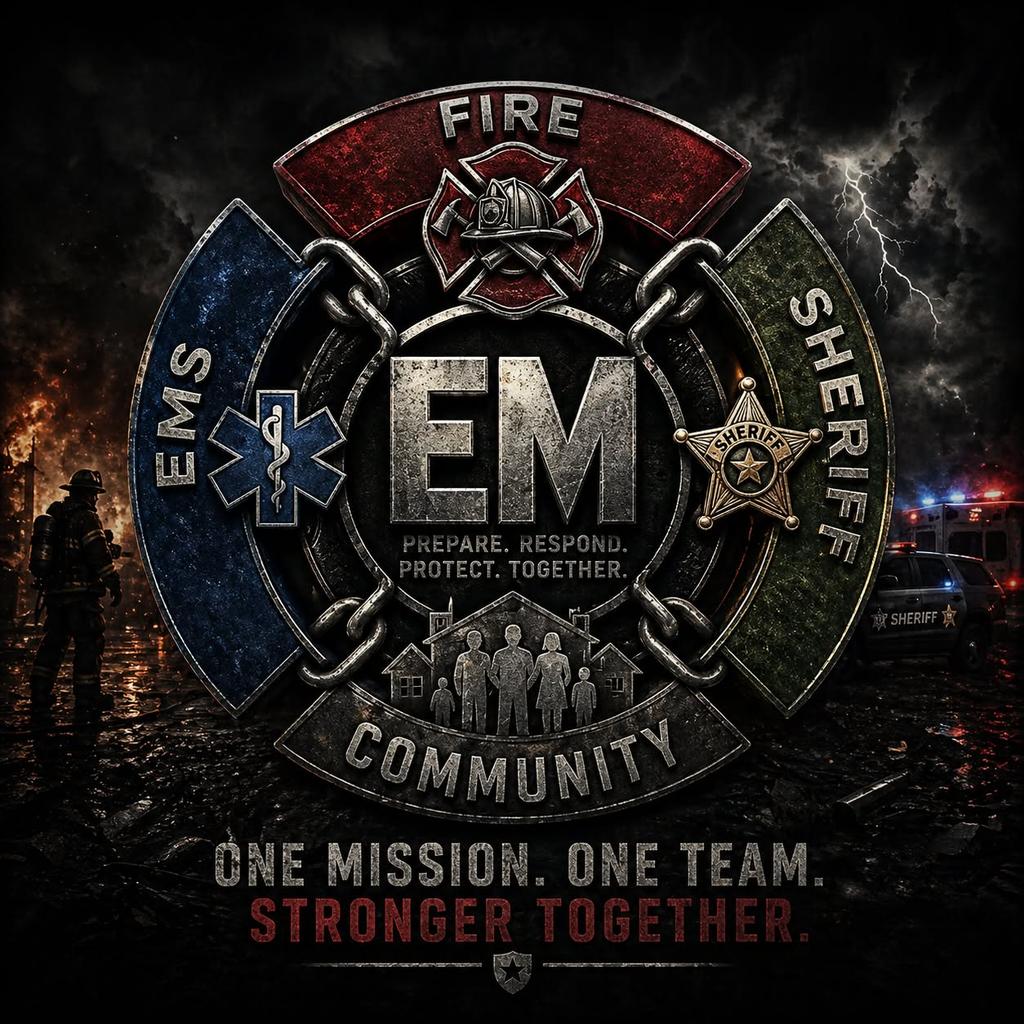
Emergency management is the quiet discipline of readiness—the work done long before a siren ever sounds. It is built on planning, training, coordination, and the understanding that disasters do not give warnings on a convenient schedule. True preparedness is not just a set of documents on a shelf; it is relationships built across agencies, practiced response under pressure, and a shared commitment to act without hesitation. When emergency management is done well, it creates order in chaos and transforms uncertainty into coordinated action.
Its importance to a community cannot be overstated. Emergency management protects lives, safeguards property, and preserves the continuity of daily life when everything else is at risk. The communities that recover fastest are not always the ones with the most resources—they are the ones that prepared together, communicated clearly, and trusted each other when it mattered most. Investing in preparedness is an investment in resilience, confidence, and the quiet assurance that when the worst day comes, the community will not face it alone.
“Each person who prepares is one less person who panics in a crisis.”